Are flickering lights or tripping breakers becoming a regular nuisance in your home? These could be more than just everyday annoyances—they might be warning signs of serious electrical problems. In Gosnells, many homes still rely on outdated systems that pose safety risks. Here’s how to spot the signs before it’s too late.
Is your home trying to send you a message? Flickering lights, buzzing outlets, and tripping breakers aren’t just everyday annoyances—they’re warning signs of deeper electrical problems. In Gosnells, where many homes have been standing for decades, these issues can point to serious safety risks that shouldn’t be ignored.
This article examines the most common signs that your home’s electrical system may be outdated or struggling to meet today’s demands. From minor inconveniences to major warning signs, we’ll help you identify when it’s time to take action. If issues persist, reaching out to a trusted domestic electrician Gosnells is a smart step toward ensuring your home stays safe and efficient.
Frequent Circuit Breaker Trips
Circuit breakers are designed to cut off electrical flow when a problem occurs, typically due to an overload. If yours are tripping regularly, it’s a clear indication that your system may not be able to cope with current demands.
Why It Happens:
- Overloaded circuits from too many plugged-in appliances.
- Ageing wiring is unable to handle modern loads.
- Faulty or deteriorating electrical devices.
What You Should Do:
- Reduce usage on affected circuits.
- Unplug high-load appliances and redistribute their use.
- Call an electrician for a load assessment and potential panel upgrade.
Flickering or Dimming Lights
If your lights flicker when large appliances turn on or dim unpredictably, this may indicate inadequate wiring or an imbalance in loads. It’s a warning sign that your system isn’t distributing power correctly.
Common Causes:
- Voltage fluctuations.
- Loose or corroded wiring connections.
- Inadequate circuit design for modern demands.
Recommended Solutions:
- Avoid using too many high-wattage appliances at the same time.
- Inspect circuits for loose or worn connections.
- Have an electrician assess your home’s electrical distribution system.
Burning Smell or Discolored Outlets
Any smell of burning or outlets that look scorched or discolored is a major red flag. These could point to short circuits, overloaded systems, or failing outlets—all of which are fire hazards.
What to Look For:
- Scorched or blackened outlet faces.
- A plastic or burning smell, especially when using certain outlets.
- Outlets that are warm or hot to the touch.
What to Do Immediately:
- Stop using affected outlets.
- Unplug nearby devices.
- Contact an electrician to inspect and repair potentially dangerous wiring.
Outdated Wiring Systems
Gosnells is home to many charming older houses, but with charm often comes old home electrical issues. Systems like knob-and-tube or aluminium wiring were standard decades ago, but today they’re both unsafe and inefficient.
Warning Signs:
- Frequently blown fuses.
- No ground wire (only two-prong outlets).
- Buzzing sounds from walls or outlets.
Next Steps:
- Request a full electrical safety inspection.
- Consider a complete rewiring project for long-term safety.
- Upgrade to modern wiring standards that support today’s appliances.
Shocks or Tingling from Devices
Getting a shock when you touch a device or plug in an appliance isn’t just unpleasant—it’s dangerous. It can indicate grounding issues, exposed wires, or faulty installation.
What May Be Causing It:
- Improper or missing grounding.
- Damaged power cords or wiring.
- Moisture near electrical components.
How to Address It:
- Immediately stop using affected appliances or outlets.
- Inspect for visible wear or corrosion.
- Hire a licensed electrician to test the grounding and correct any faults.
Not Enough Outlets
Using multiple power strips and extension cords is often a sign that your home’s electrical system wasn’t designed for modern energy needs. This overreliance can result in overloaded circuits and safety risks.
Signs You Need More Outlets:
- Constant use of power boards or extension cords.
- Outlets hidden behind furniture overloaded with plugs.
- Outlets that spark when plugged in.
Solutions:
- Add new outlets in high-demand areas.
- Upgrade the electrical panel to accommodate more circuits.
- Work with a domestic electrician in Gosnells to ensure a safe and code-compliant setup.
Old or Undersized Electrical Panels
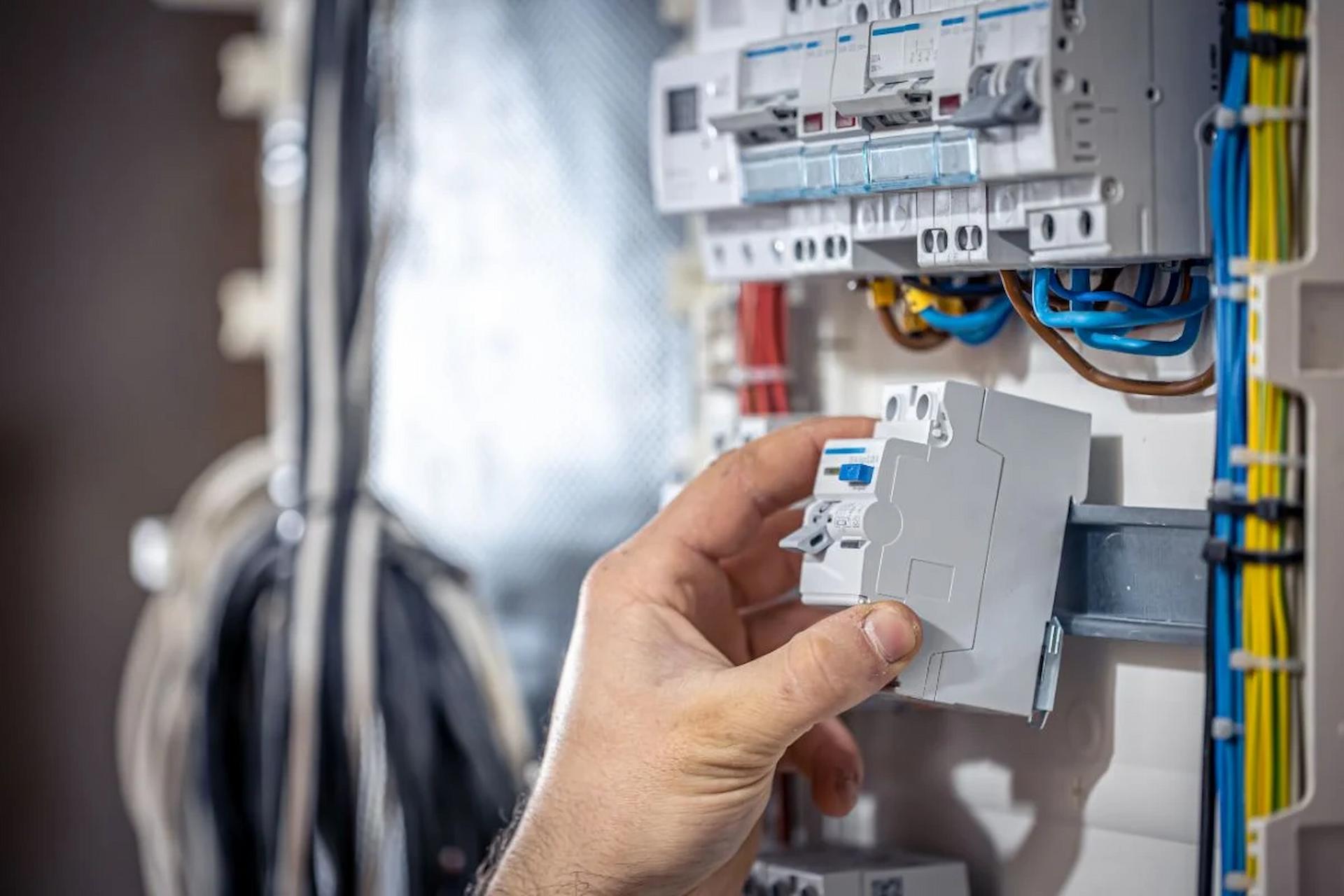
Many older homes were built with 60-amp or 100-amp panels, which are insufficient for today’s tech-heavy lifestyles. If your home still has one, or you’re constantly resetting breakers, an upgrade is long overdue.
Signs of an Outdated Panel:
- Frequent breaker trips occur when using large appliances.
- Fuses instead of modern circuit breakers.
- An electrical panel is over 25 years old.
Benefits of an Upgrade:
- Improved safety and reduced fire risk.
- Enough capacity for modern appliances and future upgrades.
- Increased home value and insurance compliance.
Conclusion
Electrical issues are more than just inconvenient—they pose serious risks to your safety and the structural integrity of your home. Whether it’s flickering lights, warm outlets, or outdated wiring, it’s vital to recognise the warning signs and act promptly. If you suspect your home needs attention, don’t delay. Reach out to a trusted domestic electrician Gosnells residents rely on to keep your home running safely and efficiently.
By understanding these signs and knowing when to call in a pro, you’re not only protecting your home, you’re also ensuring peace of mind for everyone living in it.