
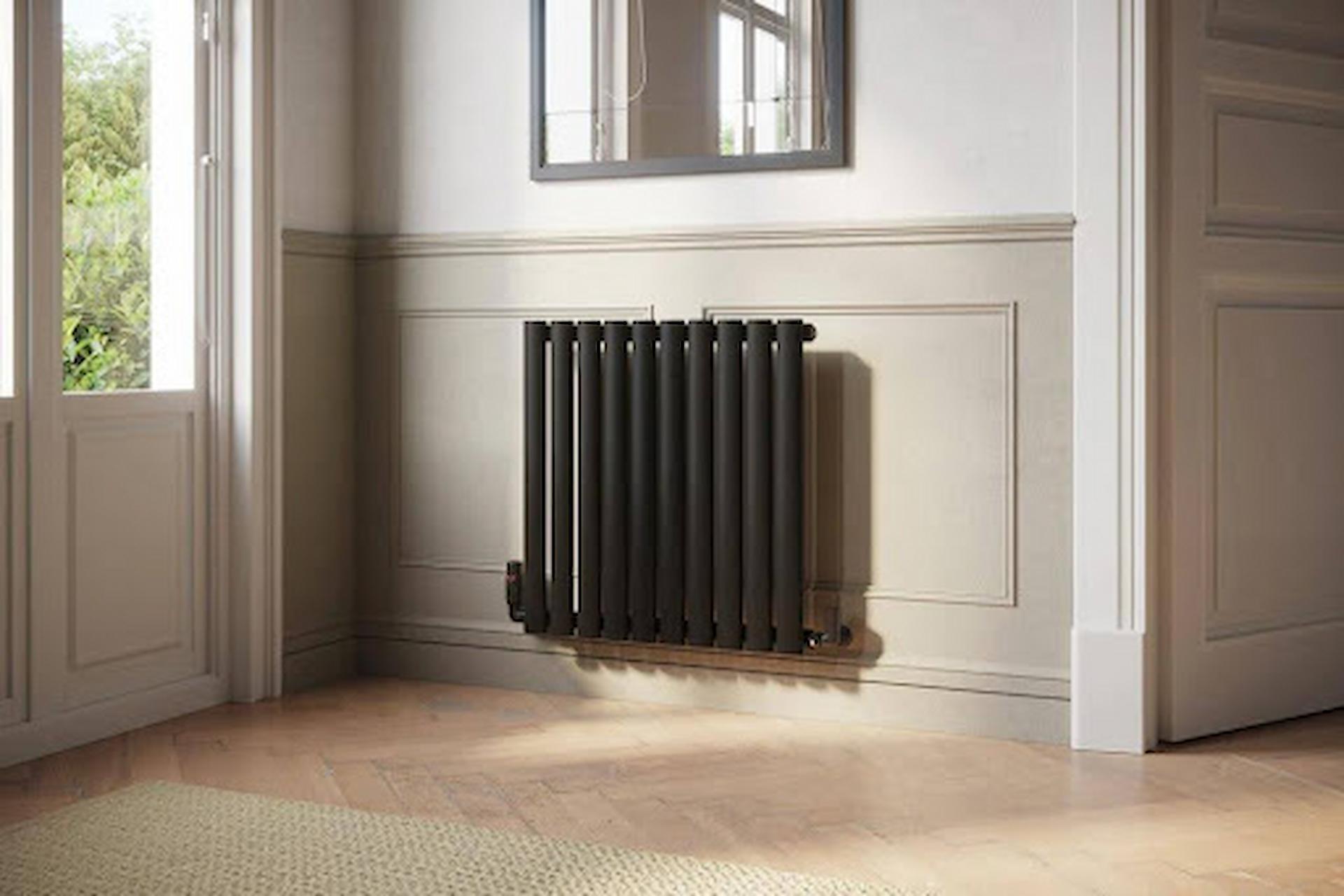
Selecting a hallway radiator is all about getting the balance right. Limited space, required heat output, and room layout must work together seamlessly. When properly sized, a radiator delivers steady warmth without overwhelming the entrance. With the right approach, your hallway can feel both inviting and perfectly proportioned.
A hallway is the first and last space you experience every day. Despite this, it is often treated as an afterthought when planning heating. Selecting the correct size radiator is essential to avoid cold draughts, uneven temperatures, and inefficient energy use. Well-chosen hallway radiators provide steady warmth, support nearby rooms, and help maintain a balanced indoor climate.
Why Hallway Radiator Size Is Never One-Size-Fits-All
Hallways vary more than most rooms. Some are narrow and enclosed, while others open directly onto staircases or multiple rooms. These differences mean heating demands can change significantly from one property to another.
A standard radiator size rarely performs well in every hallway. Correct sizing depends on how heat moves through the space rather than how the radiator looks on the wall.
How Hallways Lose Heat Faster Than You Expect
Hallways are natural channels for air movement. Warm air rises and escapes upward, while cooler air enters from doors and adjoining rooms. This constant circulation prevents heat from settling.
As a result, hallways often feel cooler than expected, even when the rest of the home is warm. A correctly sized radiator helps counter this ongoing heat loss.
What Really Determines the Right Radiator Size
Several core factors influence how much heat a hallway needs. These should be assessed together rather than in isolation.
Key considerations include:
- Overall hallway volume, not just floor size
- Ceiling height and stair access
- Insulation quality and external exposure
Focusing on these elements ensures the radiator delivers sufficient warmth without excessive energy use.
Measuring Your Hallway the Right Way From the Start
Accurate measurement is critical to the performance of hallway radiators and should never be overlooked. Begin by measuring the hallway’s length, width, and height. Ceiling height is especially important, as taller spaces require more heat to remain comfortable.
Also note architectural features that increase heat demand, such as open staircases or wide doorways. These details directly affect sizing decisions and help ensure the chosen radiator delivers consistent warmth.
Heat Output Explained Without the Technical Confusion
Radiator performance is not about producing intense heat quickly. In a hallway, steady and consistent warmth is far more effective.
A radiator that is too small will run continuously without reaching comfort levels. One that is too large may heat the area unevenly and waste energy. The correct size maintains a stable temperature with minimal effort.
How Doors, Stairs, and Layout Affect Heating Performance
Hallway layouts place unique demands on heating systems. External doors allow cold air to enter, while staircases draw warmth upward and away from the space.
Open layouts increase heat movement, which means the radiator must work harder. Choosing a size that reflects these layout challenges prevents ongoing temperature imbalance.
Making the Most of Limited Wall Space
Wall space in hallways is often restricted. This makes thoughtful radiator placement just as important as size.
Where space is tight, slimmer profiles or vertical designs can perform well. Regardless of style, airflow around the radiator must remain clear to allow heat to circulate effectively.
Vertical vs Horizontal Radiators: Choosing What Works Best
Radiator orientation should support both heat distribution and everyday movement through the hallway.
- Vertical radiators suit narrow walls and tight layouts
- Horizontal radiators work well along longer wall sections
Both options can deliver excellent performance when sized correctly. The decision should always be guided by layout rather than appearance alone.
Getting the Balance Right Between Size and Visual Impact
A hallway radiator should feel proportionate to the space. Oversized radiators can overwhelm narrow areas, while undersized units appear ineffective and fail to provide comfort.
The right balance enhances the hallway visually while maintaining consistent warmth throughout the day.
Why Correct Sizing Improves Energy Efficiency Long Term
When a radiator matches the hallway’s heating needs, it operates more efficiently. It reaches temperature smoothly and maintains it without frequent adjustments.
This consistency reduces energy waste, supports lower running costs, and helps the entire heating system work more effectively over time.
When Expert Advice Becomes Essential
Some hallways present challenges that are difficult to assess without experience. High ceilings, poor insulation, or complex layouts can all affect heat demand significantly.
In these cases, professional guidance ensures the radiator performs as expected and avoids costly mistakes.
Selecting a Radiator That Delivers Reliable Hallway Comfort
Exploring purpose-designed hallway options can simplify the selection process. Manufacturers like Stelrad offer radiators suited to hallway layouts, helping homeowners match size, output, and placement with confidence.
Ultimately, the right hallway radiators combine accurate sizing, smart placement, and dependable performance. When chosen carefully, they create a warm, welcoming transition space that supports comfort across the entire home.
Closing Reflections
Choosing the right size radiator for a hallway is a practical decision that affects comfort, efficiency, and the overall performance of your home’s heating system. Hallways experience higher heat movement and greater loss than many other rooms, which makes accurate sizing especially important. By carefully measuring the space, considering ceiling height, layout, and insulation, and allowing for features such as doors and staircases, you can avoid common heating problems. A well-sized radiator provides steady warmth without wasting energy or dominating the space visually. Over time, this balanced approach supports lower running costs, more consistent indoor temperatures, and a welcoming hallway that connects the home comfortably and efficiently.